Deception & Evidence
The Original Ponzi
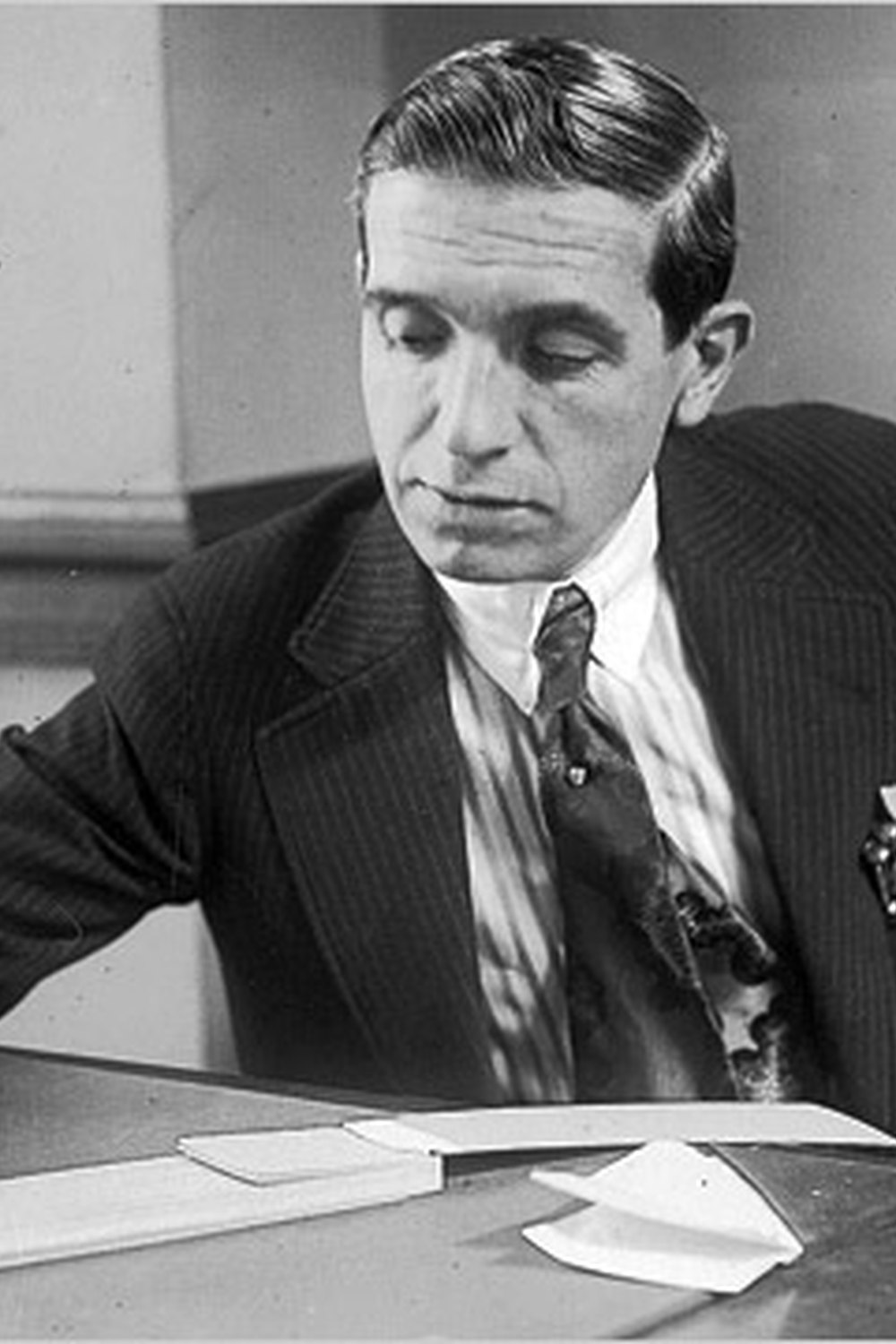
In eight months of 1920, Charles Ponzi went from broke clerk to $15 million collected, on a scheme so simple and so doomed that his name replaced the crime. The arbitrage he advertised was real. There just weren't enough postal coupons on Earth to do it.
Boston, 1920 · Charles Ponzi
What actually happened
International postal reply coupons genuinely could be bought cheap in inflation-wrecked Europe and redeemed for more in the US, and Ponzi's pitch of 50% in 45 days pointed at a real gap. The catch: redeeming at scale was impossible, and Ponzi barely tried. New deposits paid old 'returns,' and Boston formed lines around the block.
Clarence Barron (of Barron's) did the arithmetic publicly: covering Ponzi's liabilities would require 160 million coupons, and roughly 27,000 existed. The Boston Post's investigation, which won a Pulitzer, cracked the run; Ponzi surrendered in August 1920 having destroyed six banks and most of his depositors' savings.
He spent years in prison, was deported, and died poor in Rio, proud in his last interview that he'd given Boston 'the best show since the Pilgrims.'
The longer arc
Ponzi's scheme was not his first brush with fraud, nor his last. He had immigrated from Italy in 1903, served time in a Canadian prison for forgery under an assumed name, and been convicted separately of smuggling Italian immigrants across the US border, well before postal reply coupons ever crossed his desk. After his Boston sentence he tried again in Florida in 1925 with the Charpon Land Syndicate, selling swampland lots at $10 each; convicted of securities fraud in 1926, he faked his own suicide and fled toward Italy before being caught in New Orleans and sent back to serve additional prison time.
Deported to Italy for good in 1934 since he had never taken US citizenship, Ponzi eventually made his way to Brazil, where he worked as an agent for the Italian state airline and later taught English. A stroke left him partly paralyzed in 1948, and he died in a Rio de Janeiro charity hospital on January 18, 1949, with $75 to his name, enough, he said, to bury him.
The play to remember
The play.
A real anomaly plus impossible scale is the con's favorite disguise.
Always ask what the trade looks like at the size of the promise.
Was this interesting?
Select an option to vote. You can change it anytime.
Recommended for You
The Man Who Sold the Eiffel Tower: Twice
In 1925 Paris couldn't afford to maintain its own monument. Victor Lustig read one newspaper article about it, printed fake government stationery, and sold the Eiffel Tower for scrap to a buyer too embarrassed to report…

The Ledger That Caught Capone
Al Capone ordered murders in daylight and never saw the inside of a courtroom for any of them. What finally convicted him was arithmetic: a seized ledger and the tax owed on money he officially never earned.
The Money Box
Lustig sold a mahogany box that 'printed' hundred-dollar bills for up to $46,000 a box. The machine worked perfectly for exactly two bills, both real, both loaded by Lustig before the demonstration.

The Board That Fired Its Founder
In 1985 Apple's board sided with the professional CEO Steve Jobs had personally recruited, and stripped Jobs of all operating power. Twelve years later the company was ninety days from insolvency. The only option left…
The Quarter Enron Ran Out of Room
Enron's numbers worked for years because the losses lived in entities nobody consolidated and the profits were booked the day a deal was signed. In the autumn of 2001, one analyst finally asked the question that ran out…

The PayPal Decision
Confinity and X.com were burning millions a month trying to destroy each other in the same building on University Avenue. The decision that created PayPal, and the mafia of founders who built Tesla, LinkedIn, YouTube…
The Night FTX Vanished
On November 2, 2022 a leaked balance sheet showed FTX's sister fund was built on FTX's own token. Nine days later the exchange, its $32 billion valuation, and roughly $8 billion of customer money were gone.
The Ransom Room
A room 22 feet by 17, filled with gold as high as a man could reach. That was the price the Inca emperor offered for his life. The Spaniards took delivery of roughly six tons of gold, then convened a trial in a language…
The Blind Doge
An army of crusaders arrived in Venice 34,000 silver marks short of their shipping bill. The city's doge, blind and by the chronicles around ninety, turned their debt into a repossession of his business rivals, and the…
New cases drop daily on  TikTok and
  Instagram. One case a day, one model you can retell.