Empire Decisions
The Quarter Enron Ran Out of Room
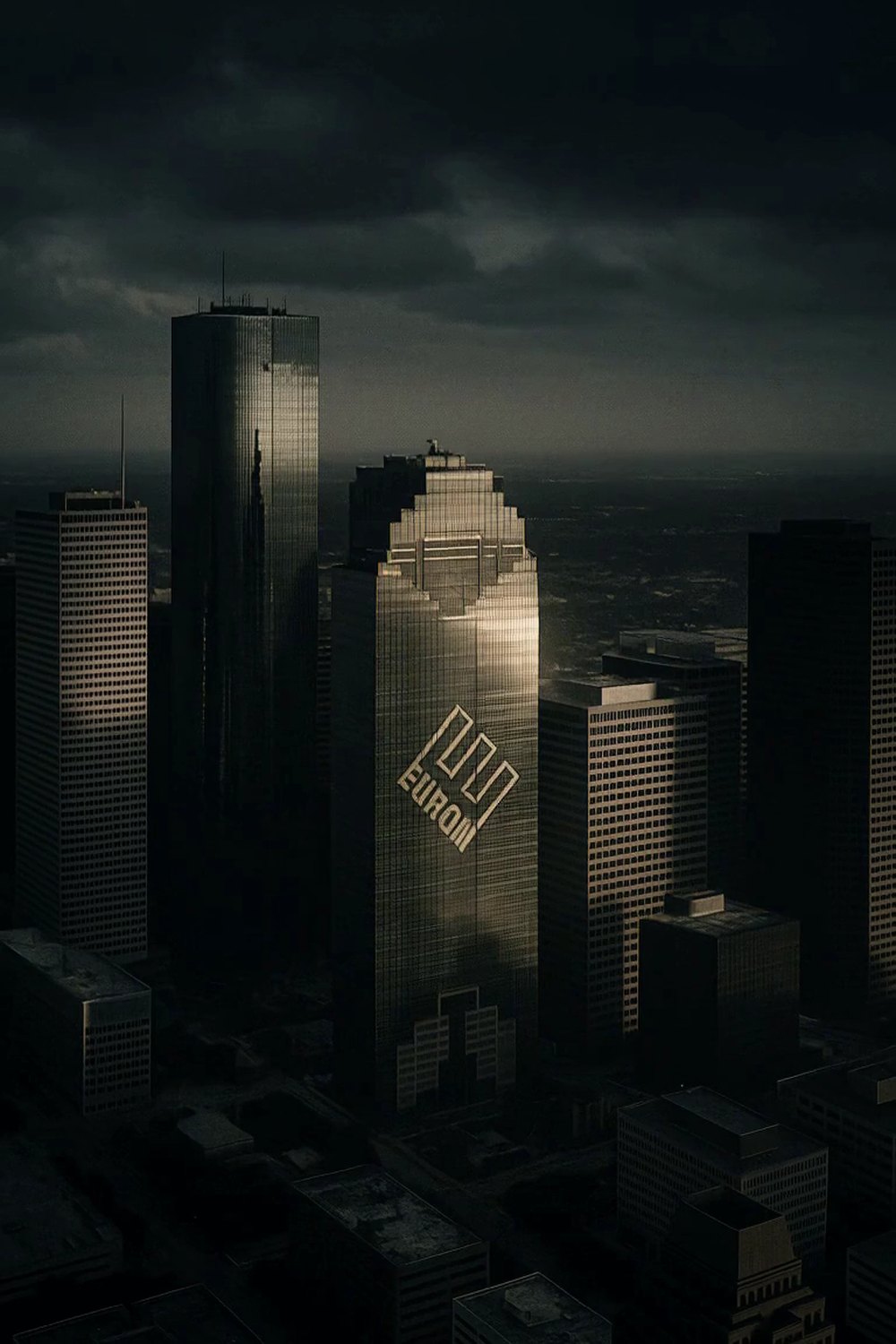
Enron's numbers worked for years because the losses lived in entities nobody consolidated and the profits were booked the day a deal was signed. In the autumn of 2001, one analyst finally asked the question that ran out of deferrals: 'how exactly do you make money?'
Houston, 2001 · Enron
What actually happened
Mark-to-market accounting let Enron book a decade of projected profit from a power contract in the quarter it was signed; special-purpose entities named after Star Wars characters absorbed the debt off the balance sheet. The structure needed a rising stock price to keep the hedges solvent. The shares themselves were the collateral.
In October 2001 Enron announced a $618 million loss and a $1.2 billion write-down of equity; the SEC opened an inquiry; the restatements followed. Sixty days later the seventh-largest company in America filed the then-largest bankruptcy in US history. Weeks earlier, it had still been collecting awards for innovation.
The longer arc
Fortune had named Enron "America's Most Innovative Company" six years running, from 1996 through 2001, based largely on the same mark-to-market accounting that let it book unearned profit as real. Jeffrey Skilling, who had championed that accounting and built the trading culture around it, resigned as CEO in August 2001, weeks before the collapse became public, citing personal reasons that regulators and reporters later treated as considerably less innocent than they sounded.
The wreckage reached well past the balance sheet. Roughly 20,000 employees lost their jobs, and many had their retirement savings concentrated in Enron stock that fell to pennies, a loss later addressed through a $356 million class-action settlement. Arthur Andersen, Enron's auditor, was convicted of obstruction in 2002 and collapsed as a firm, throwing tens of thousands of its own staff out of work, even though the Supreme Court overturned the conviction in 2005, too late to matter. Skilling was convicted in 2006 and served about twelve years; Kenneth Lay died of a heart attack before he could be sentenced.
The play to remember
The play.
When the collateral for the machine is the market's belief in the machine, the first hard question is systemic risk.
Was this interesting?
Select an option to vote. You can change it anytime.
Recommended for You

The Board That Fired Its Founder
In 1985 Apple's board sided with the professional CEO Steve Jobs had personally recruited, and stripped Jobs of all operating power. Twelve years later the company was ninety days from insolvency. The only option left…
The PayPal Decision
Confinity and X.com were burning millions a month trying to destroy each other in the same building on University Avenue. The decision that created PayPal, and the mafia of founders who built Tesla, LinkedIn, YouTube…
The Night FTX Vanished
On November 2, 2022 a leaked balance sheet showed FTX's sister fund was built on FTX's own token. Nine days later the exchange, its $32 billion valuation, and roughly $8 billion of customer money were gone.
Musk's Christmas Eve
In the same week of December 2008, SpaceX was one failed launch from dead and Tesla was hours from missing payroll. The funding that saved both closed on Christmas Eve, after three straight rocket failures and a divorce…
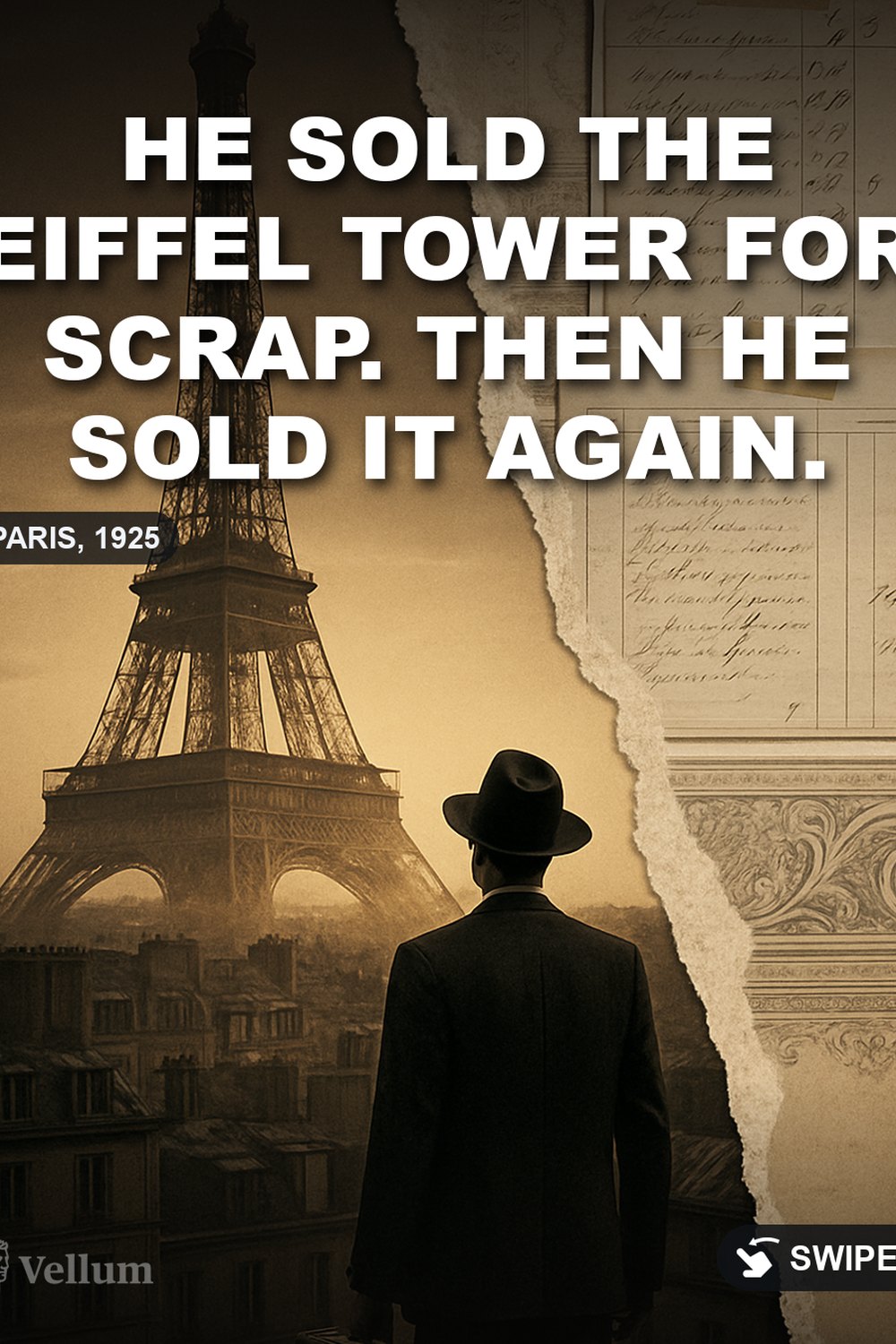
The Man Who Sold the Eiffel Tower: Twice
In 1925 Paris couldn't afford to maintain its own monument. Victor Lustig read one newspaper article about it, printed fake government stationery, and sold the Eiffel Tower for scrap to a buyer too embarrassed to report…
The Ledger That Caught Capone
Al Capone ordered murders in daylight and never saw the inside of a courtroom for any of them. What finally convicted him was arithmetic: a seized ledger and the tax owed on money he officially never earned.
The Money Box
Lustig sold a mahogany box that 'printed' hundred-dollar bills for up to $46,000 a box. The machine worked perfectly for exactly two bills, both real, both loaded by Lustig before the demonstration.
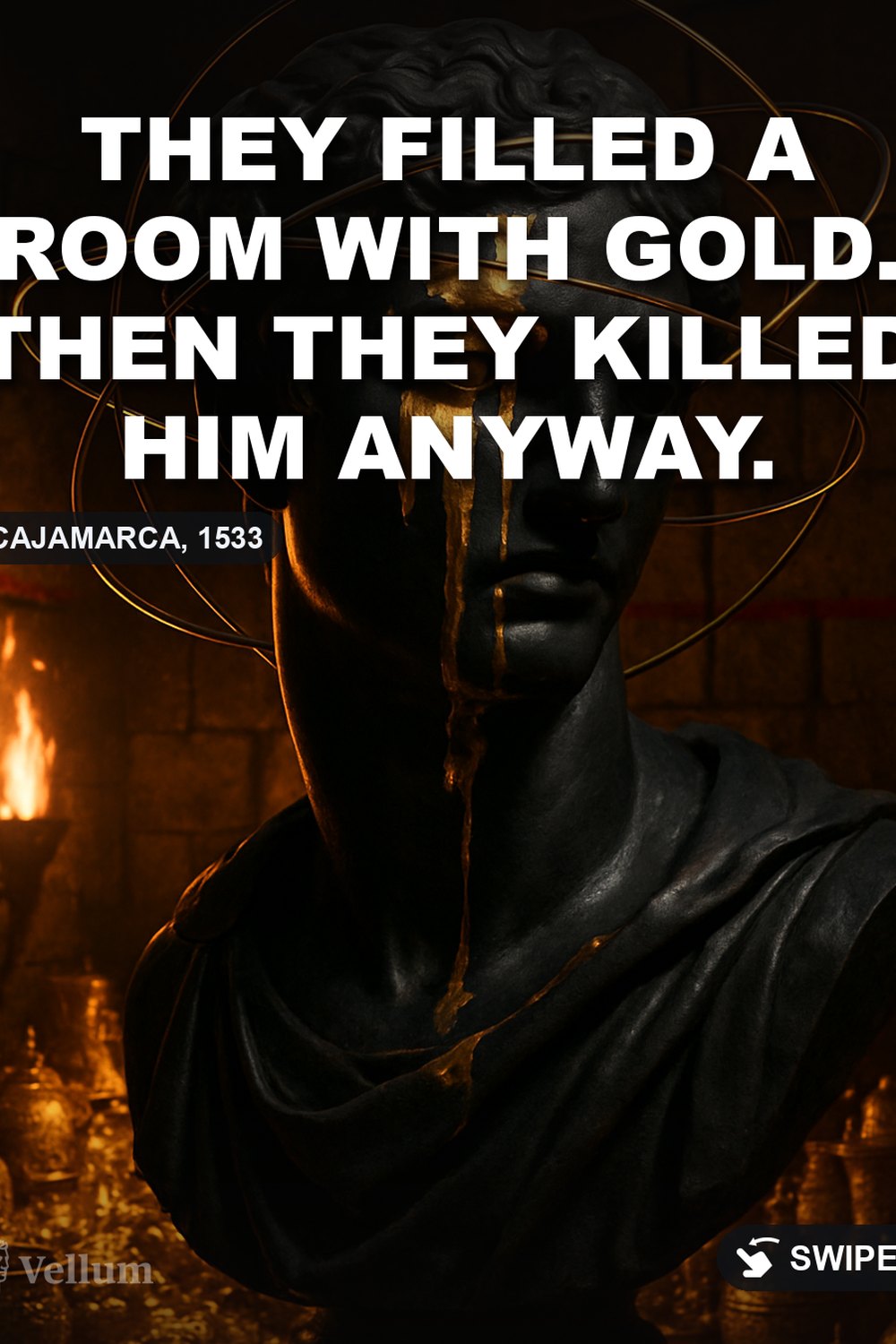
The Ransom Room
A room 22 feet by 17, filled with gold as high as a man could reach. That was the price the Inca emperor offered for his life. The Spaniards took delivery of roughly six tons of gold, then convened a trial in a language…
The Blind Doge
An army of crusaders arrived in Venice 34,000 silver marks short of their shipping bill. The city's doge, blind and by the chronicles around ninety, turned their debt into a repossession of his business rivals, and the…
New cases drop daily on  TikTok and
  Instagram. One case a day, one model you can retell.