Deception & Evidence
The Ledger That Caught Capone
Al Capone ordered murders in daylight and never saw the inside of a courtroom for any of them. What finally convicted him was arithmetic: a seized ledger and the tax owed on money he officially never earned.
Chicago, 1931 · Al Capone

What actually happened
Prosecutors couldn't hold witnesses on the violence. They recanted or disappeared. So the Treasury's unit under Frank J. Wilson built a different case: a ledger seized years earlier from a Cicero gambling house, matched by handwriting to Capone's bookkeepers, proved income. Income, even illegal income, is taxable. The Supreme Court had settled that in 1927.
In October 1931 Capone was convicted on tax evasion and sentenced to eleven years. The most feared man in America was undone not by a rival, but by the gap between his lifestyle and his tax returns.
The longer arc
Capone had spent the 1920s building a bootlegging, gambling and vice empire that controlled much of Chicago, and the violence that came with it, most infamously the killing of seven rival gang members in the February 1929 Saint Valentine's Day Massacre, made him a national symbol of gangland power that local police and juries were too frightened or too bought to touch. That climate is exactly why federal investigators shifted the fight from murder charges, which needed witnesses willing to testify, to tax records, which did not.
The ledger's likely author, bookkeeper Leslie Shumway, had vanished for nearly five years after leaving Capone's employ and was finally tracked down in Miami in February 1931, becoming the government's star witness. Capone served time first in Atlanta, then at Alcatraz starting in 1934, where late-stage syphilis steadily eroded his mind. Released in November 1939 with, by his own doctors' assessment, the mental capacity of a young child, he lived out his final years secluded at his Palm Island, Florida estate and died of a stroke and pneumonia in January 1947.
The play to remember
The play.
Attack the paperwork, not the fortress.
Power that can intimidate witnesses usually can't intimidate its own accounting.
Was this interesting?
Select an option to vote. You can change it anytime.
Recommended for You
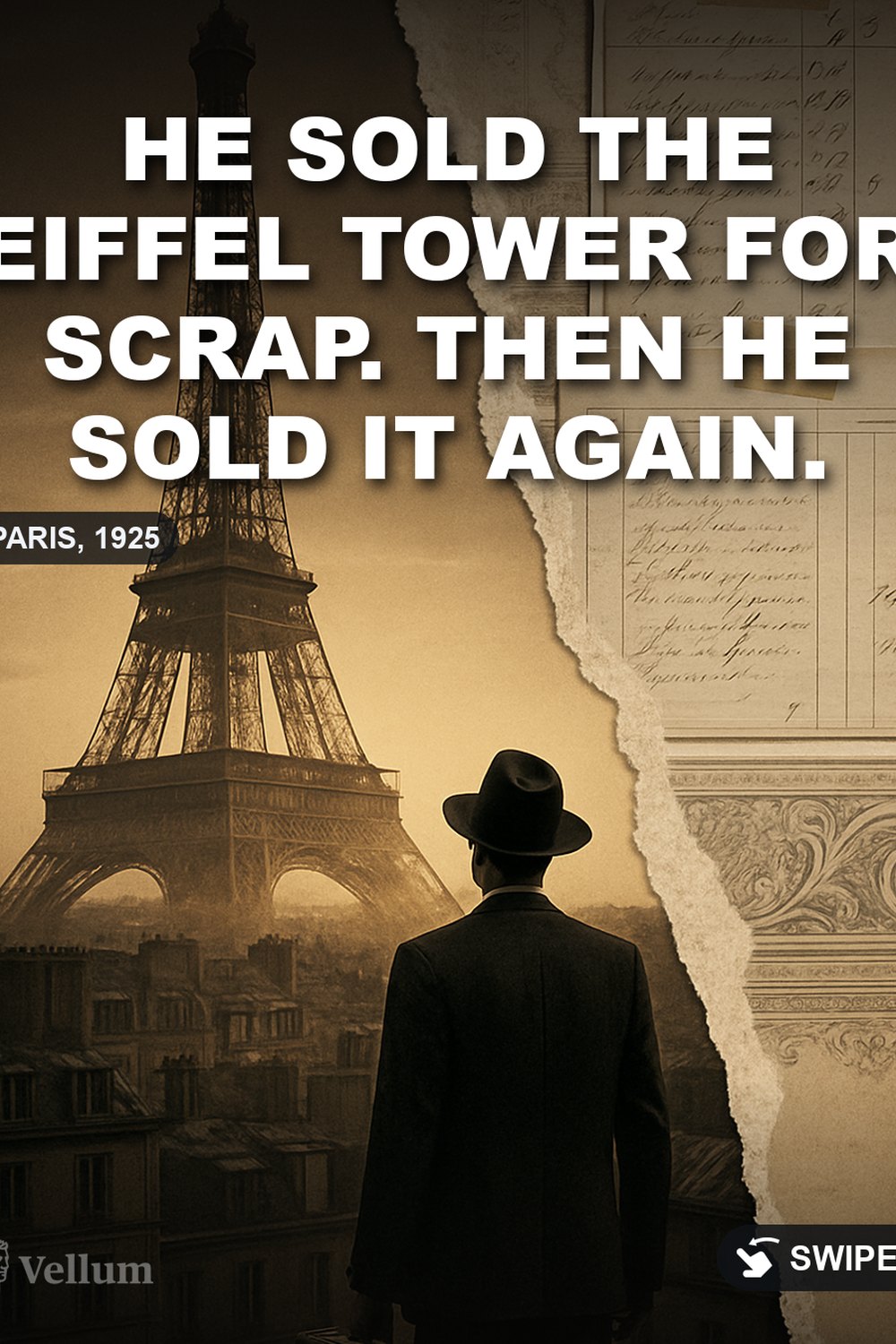
The Man Who Sold the Eiffel Tower: Twice
In 1925 Paris couldn't afford to maintain its own monument. Victor Lustig read one newspaper article about it, printed fake government stationery, and sold the Eiffel Tower for scrap to a buyer too embarrassed to report…
The Money Box
Lustig sold a mahogany box that 'printed' hundred-dollar bills for up to $46,000 a box. The machine worked perfectly for exactly two bills, both real, both loaded by Lustig before the demonstration.
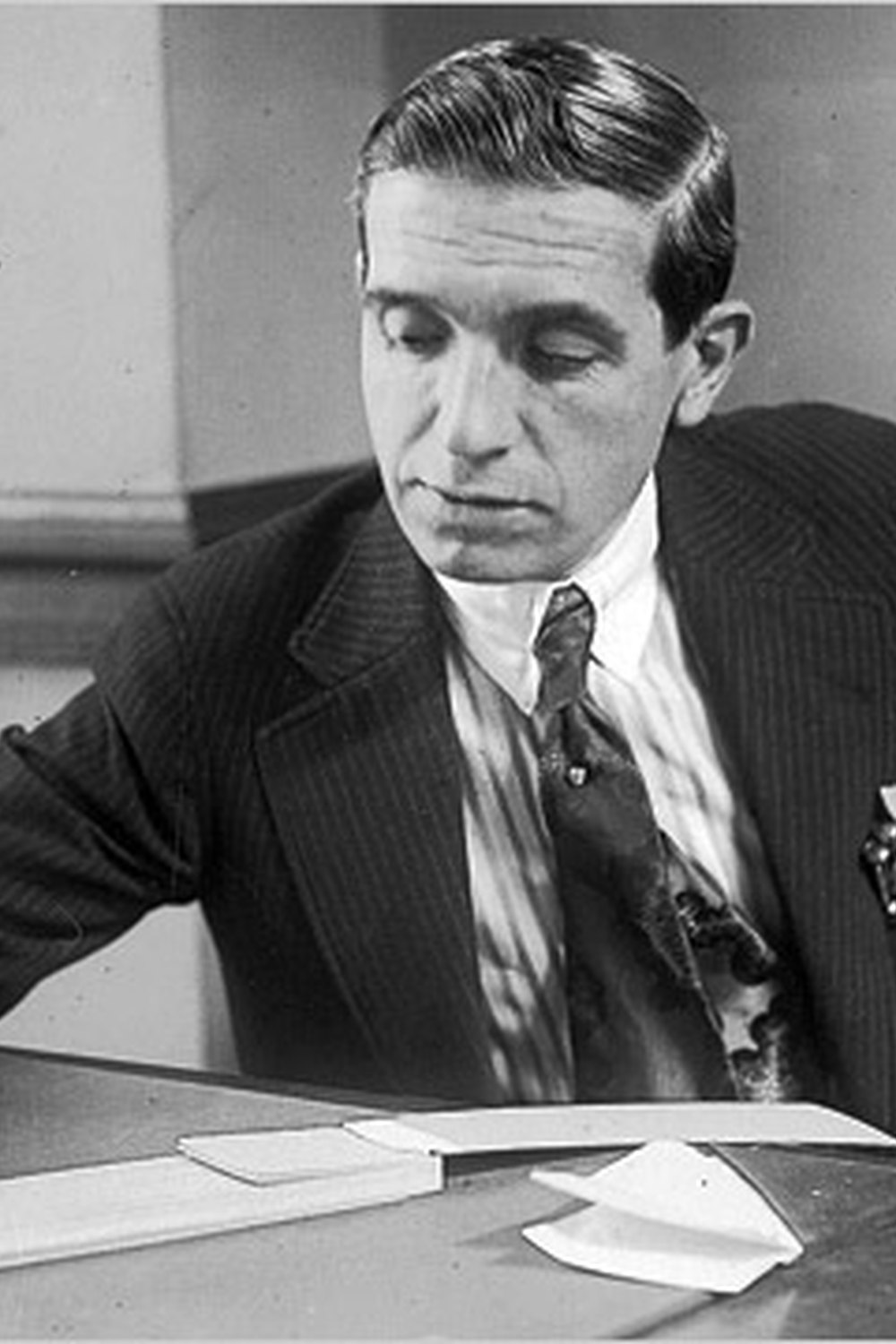
The Original Ponzi
In eight months of 1920, Charles Ponzi went from broke clerk to $15 million collected, on a scheme so simple and so doomed that his name replaced the crime. The arbitrage he advertised was real. There just weren't…

The Board That Fired Its Founder
In 1985 Apple's board sided with the professional CEO Steve Jobs had personally recruited, and stripped Jobs of all operating power. Twelve years later the company was ninety days from insolvency. The only option left…
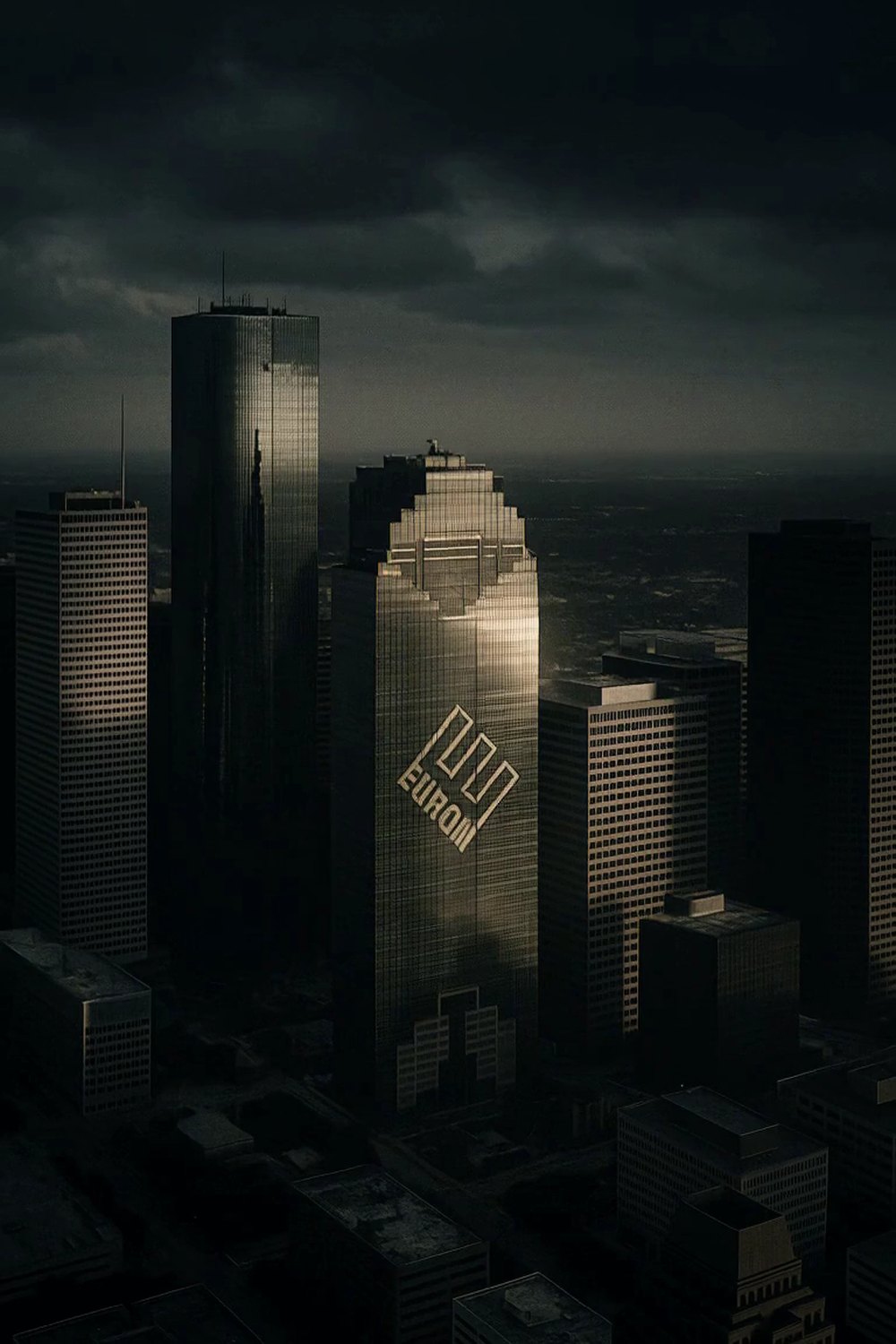
The Quarter Enron Ran Out of Room
Enron's numbers worked for years because the losses lived in entities nobody consolidated and the profits were booked the day a deal was signed. In the autumn of 2001, one analyst finally asked the question that ran out…

The PayPal Decision
Confinity and X.com were burning millions a month trying to destroy each other in the same building on University Avenue. The decision that created PayPal, and the mafia of founders who built Tesla, LinkedIn, YouTube…

The Night FTX Vanished
On November 2, 2022 a leaked balance sheet showed FTX's sister fund was built on FTX's own token. Nine days later the exchange, its $32 billion valuation, and roughly $8 billion of customer money were gone.
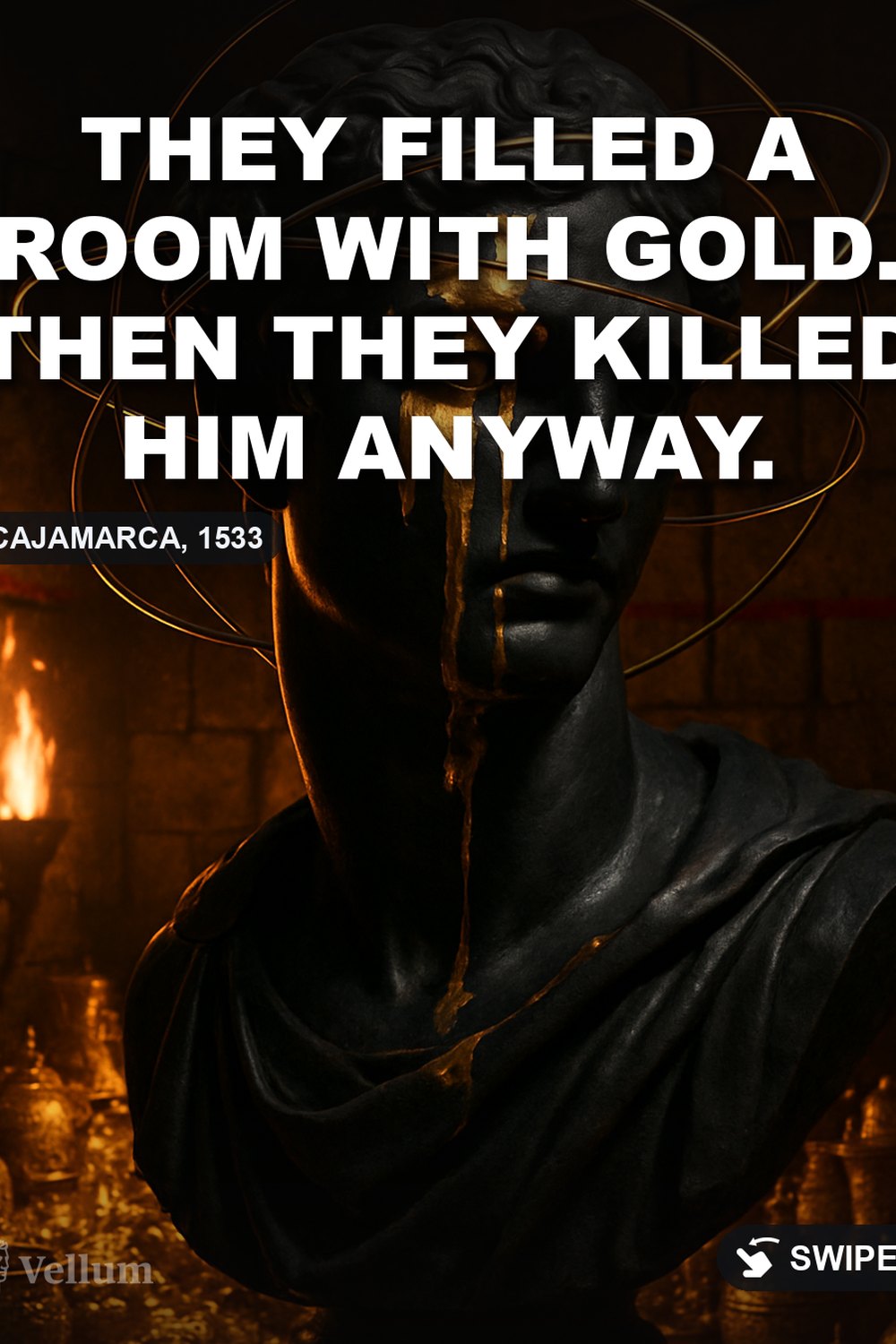
The Ransom Room
A room 22 feet by 17, filled with gold as high as a man could reach. That was the price the Inca emperor offered for his life. The Spaniards took delivery of roughly six tons of gold, then convened a trial in a language…

The Blind Doge
An army of crusaders arrived in Venice 34,000 silver marks short of their shipping bill. The city's doge, blind and by the chronicles around ninety, turned their debt into a repossession of his business rivals, and the…
New cases drop daily on  TikTok and
  Instagram. One case a day, one model you can retell.